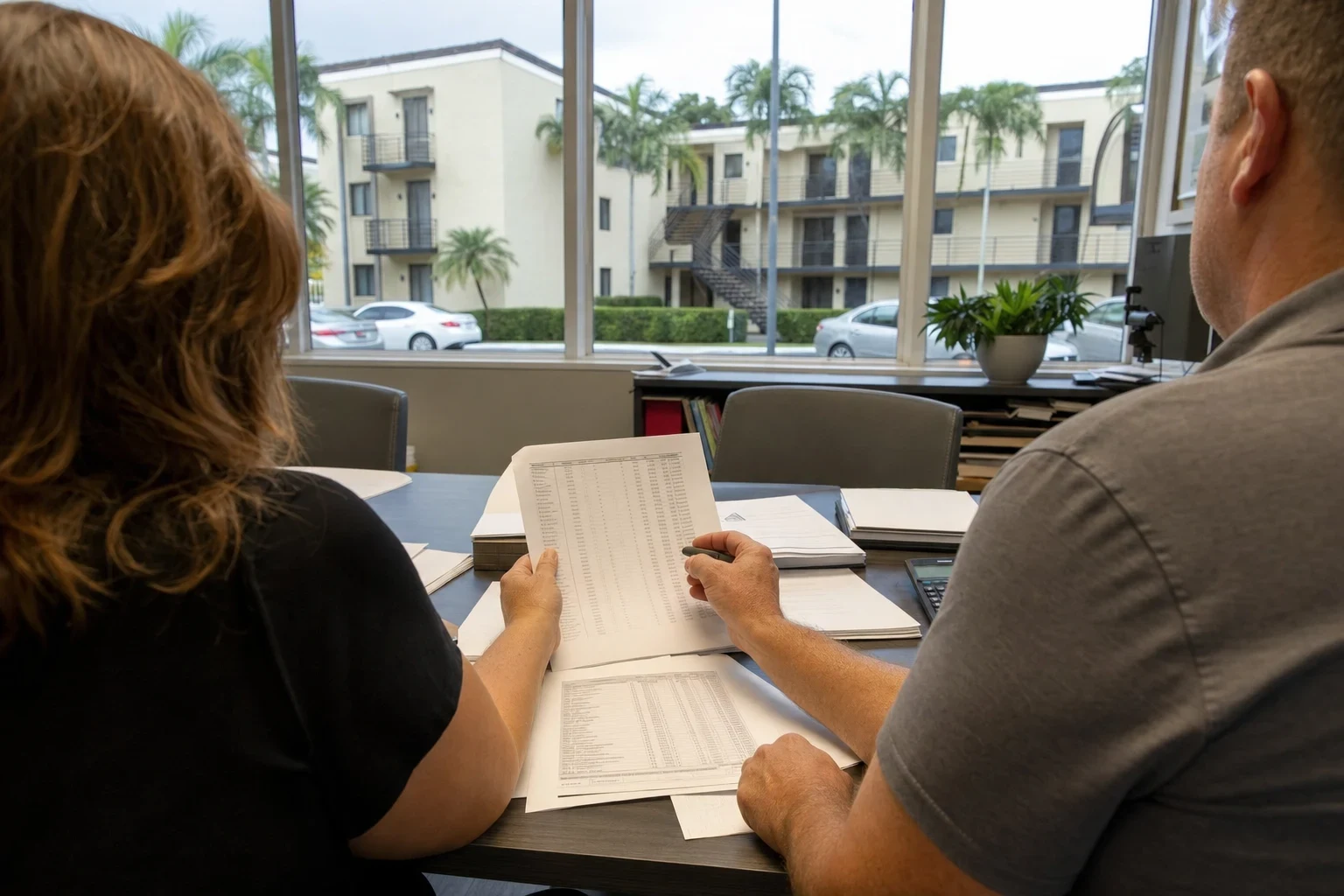
Live Local Act Exemption Help in West Palm Beach
Owners of multifamily buildings come to us to secure the Live Local Act property tax exemption and keep it. We prepare FHFC certification requests, the county DR-504AFH filing, annual recertification and resident income verification for clients in West Palm Beach, Riviera Beach and Palm Beach Gardens, at our office or by phone and video.
- Filings prepared for about 100 Florida properties
- Free eligibility check
- Every document explained
- Office, phone or video
Where Our Clients Are
We are based in West Palm Beach and work with owners throughout the surrounding area, including Riviera Beach, Lake Park, Westgate, Mangonia Park, Lake Belvedere Estates, Palm Beach Gardens, Greenacres, Lake Worth Beach, Royal Palm Beach and The Acreage. Because the work happens at our office or by phone and video, distance is rarely a problem.
- West Palm Beach
- Riviera Beach
- Lake Park
- Westgate
- Mangonia Park
- Lake Belvedere Estates
- Palm Beach Gardens
- Greenacres
- Lake Worth Beach
- Royal Palm Beach
- The Acreage
If your property sits elsewhere in Florida, give us a call. We can tell you quickly whether we are a good fit.
Live Local Act Filing Services
The exemption is not one form. It is a chain of filings that has to line up: a certification from the Florida Housing Finance Corporation, an application to the county property appraiser, and records that prove each qualifying unit meets the income and rent limits. Filings prepared for about 100 Florida properties have shown us which links in that chain tend to give way. Pick the piece you need, or let us handle the full sequence from first application through ongoing compliance support.
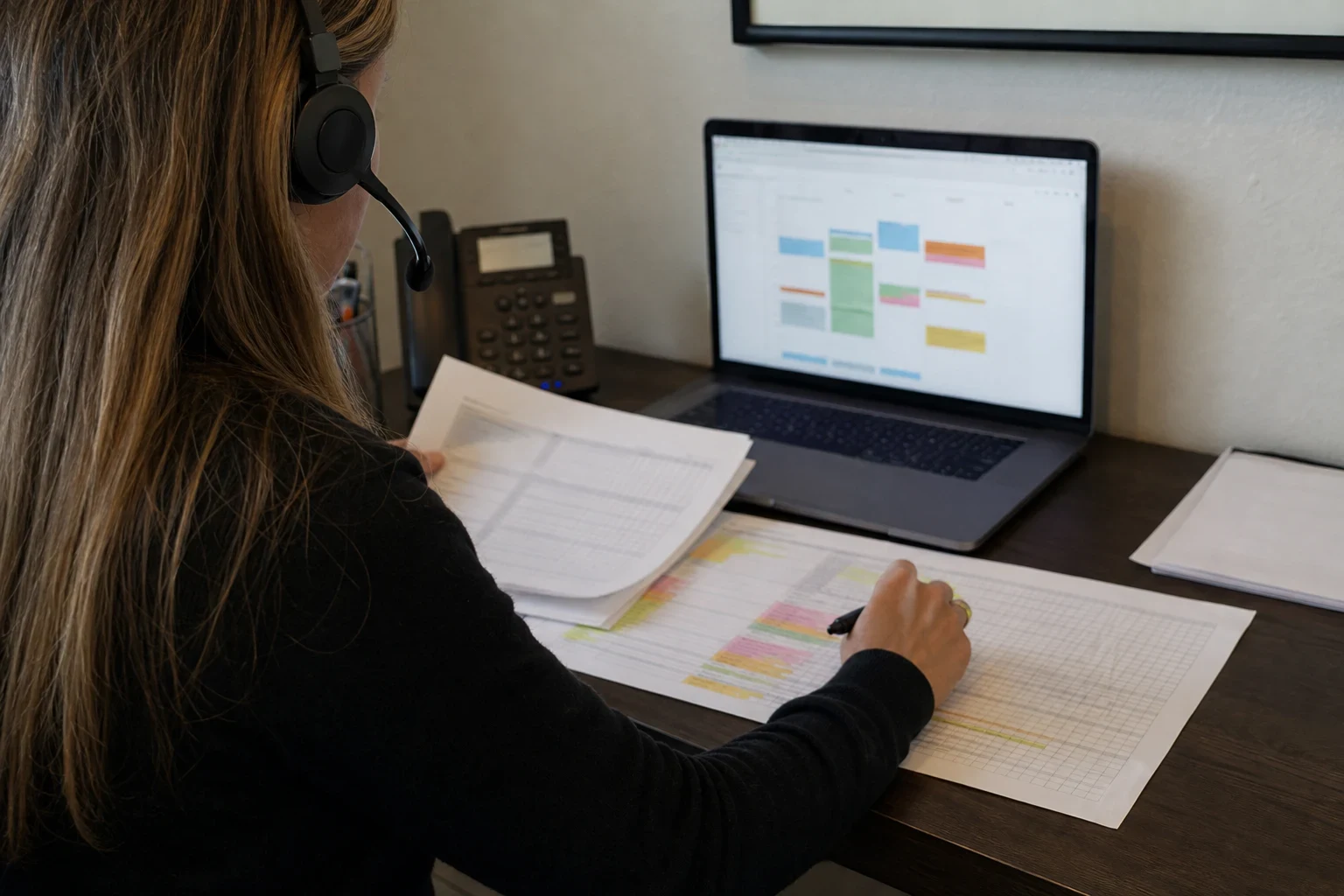
Exemption Applications
We sort out which units qualify, gather the rent and income records, and prepare your Live Local Act exemption application so nothing stalls at the county.
FHFC Certification Filing
We put together the Florida Housing Finance Corporation certification request your property needs so the county has what it requires to weigh a Live Local Act exemption.
DR-504AFH Filing
We assemble the rent roll, income records and state certification, then file your DR-504AFH with the county property appraiser before the deadline.
Annual Recertification
We update rent rolls, income files and both state and county filings each year so your Live Local Act exemption carries into the next tax year.
Resident Income Verification
We help you collect the right income documents for each set-aside unit and check them against current county limits before you file.
Ongoing Compliance Support
Year-round help keeping a Live Local Act exemption in good standing, from rent limit updates to the paperwork the county and FHFC expect each year.

About Our Practice
We are a Live Local Act consultant working with multifamily owners and property managers across Palm Beach County. Our work is narrow on purpose: we focus on the paperwork that earns and keeps the exemption, and we do it carefully.
Owners tell us the program felt confusing until someone laid out the documents side by side and explained what each one does. That is how we work with every client. We show you the materials, tell you the trade-offs, and let you decide with clear information. Then we prepare filings you can stand behind if the county asks questions.
- Experience
- Filings prepared for about 100 Florida properties
How a Filing Runs With Us
Most clients go through the same five steps. You will always know which one you are on.
- 1
Free eligibility check
On the first call we ask about your unit count, rents and resident incomes. You learn right away whether the exemption looks possible and roughly what it could save.
- 2
Records review
We look over your rent roll, leases and income files. We mark what is ready, what is missing and which supporting materials will work best for each gap.
- 3
FHFC certification
We prepare your request to the Florida Housing Finance Corporation, which certifies that the units meet the program's affordability rules. The county will not grant the exemption without it.
- 4
County DR-504AFH filing
Once the state certification arrives, we assemble your DR-504AFH and get it to the property appraiser's office in Palm Beach County. That application is generally due by March 1, so we plan backward from that date.
- 5
Recertification and follow-up
We set your timeline for next year and stay available for questions from the appraiser's office. Many owners keep us on for annual recertification and ongoing compliance support.
Why Owners Bring Us Their Filings
Most owners we talk to are not worried about the forms themselves. They are worried about missing a document, a deadline or a detail that costs them a year of savings.
- 01
We explain each document
Rent rolls, income certifications, lease forms, FHFC paperwork and the DR-504AFH all play a different role. We walk you through what each one proves, what the reviewer looks for and where owners commonly get it wrong. You will know why we ask for something before we ask.
- 02
An honest answer on eligibility
If your property does not meet the unit count or income tests, we tell you on the first call. We would rather save you the effort than prepare a filing that will not hold up.
- 03
Clear choices on how to document income
There is more than one way to support a resident's income: pay stubs, employer letters, benefit statements or tax records. Each has trade-offs in how current it is and how easy it is to collect. We help you pick the materials that fit your residents and your leasing staff.
- 04
Work that fits your schedule
Meet us at our office, or handle everything by phone and video. Your property manager can join the calls, and we keep the requests short and specific.
- 05
A calendar you can keep
The exemption has to be renewed every year. We hand you a plain timeline of what is due and when, so annual recertification does not sneak up on you.
Questions Owners Ask Us
- Does my property qualify for the Live Local Act exemption?
- As a general rule, a qualifying building reserves more than 70 of its units as affordable housing. The tenants in those units must earn no more than 120 percent of the area median income, and their rents have to stay under the program caps. Other tests apply as well, and the details matter. Our free eligibility check by phone will tell you where you stand.
- How much could the exemption save?
- Set-aside units rented to the lowest income band can be fully exempt. Units for residents in the higher band, up to 120 percent of the area median, can receive a 75 percent exemption on their portion of the property. Your actual savings depend on your assessed value, millage and unit mix, and we give you a free savings estimate on the first call.
- What documents will I need?
- Expect a current rent roll, lease forms, and income documentation for residents in the qualifying units. You will also need the FHFC certification before the county filing. We send a short, specific list after the first call so nobody is guessing.
- What is the difference between the FHFC certification and the DR-504AFH?
- The FHFC certification is the state's confirmation that your units follow the program's affordability rules. The DR-504AFH is your request to the county appraiser for the exemption itself, and it leans on that certification. You need both, and the certification comes first.
- Do I have to file every year?
- Yes. The exemption is renewed annually, and resident incomes and rents need to stay within the limits. Our annual recertification service keeps the paperwork current so you do not lose a year.
- What happens if I miss the deadline?
- A late or incomplete filing can mean losing the exemption for that tax year. Call us as early as you can. We will tell you honestly what options remain and what to do differently next year.
- Do I need to come to your office?
- No. Many clients work with us entirely by phone and video, and documents can be shared securely. You are also welcome to meet us at our office if you prefer.
What Shapes the Cost of Your Filing
Every property is different, so we quote after we understand yours. The biggest factor is usually not the form count but how organized your records already are. Here is what moves the number.
Your free savings estimate by phone gives you a sense of what the exemption could be worth. After we review your records, we give you a written, itemized estimate for our work before anything starts.
- Number of qualifying units
- More units means more income files to check against limits and more rows on the rent schedule. A property just over the threshold takes less time than a large mixed-income building.
- Income tiers in play
- Some set-aside units serve residents earning up to the lower income band, while others serve the band above it, capped at 120 percent of the area median. The two bands are treated differently, so a building that mixes them takes more careful sorting.
- State of your resident files
- Current, complete income certifications speed things up. Missing or outdated files mean we help you collect fresh materials before anything is filed.
- First filing or renewal
- A first-year application sets up the whole record. Recertification in later years builds on that work and usually goes faster.
- Parcels and ownership structure
- Multiple buildings, separate parcels or layered ownership entities can each need their own paperwork. We sort this out early.
- How close the deadline is
- Starting well ahead of the county filing window leaves room to fix gaps. A compressed timeline takes more hours to do correctly.
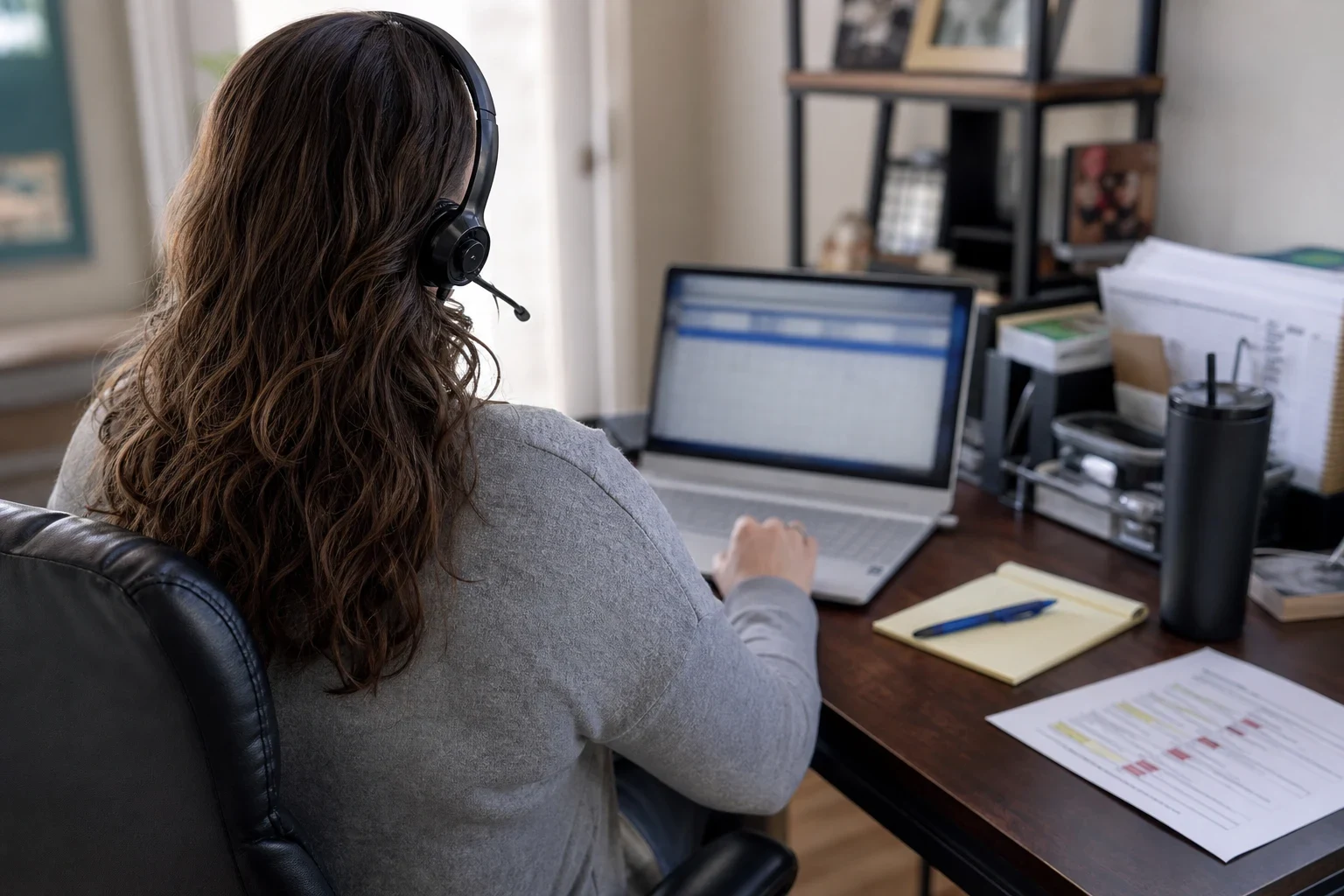
Find Out What Your Property Could Save
Share a few basics on the phone, like how many units you have and what they rent for. We will say plainly whether the exemption fits and roughly what it might be worth, at no cost and with no pressure.